Fotona Laser Treatments for Smoother Skin Texture Over Time
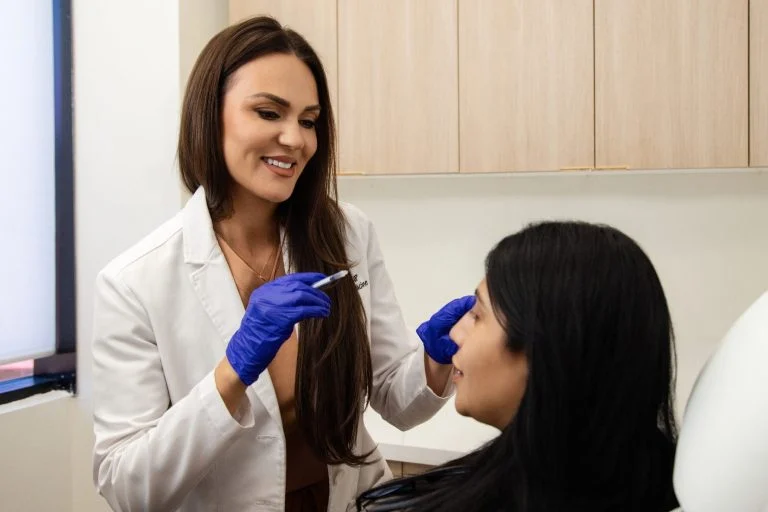
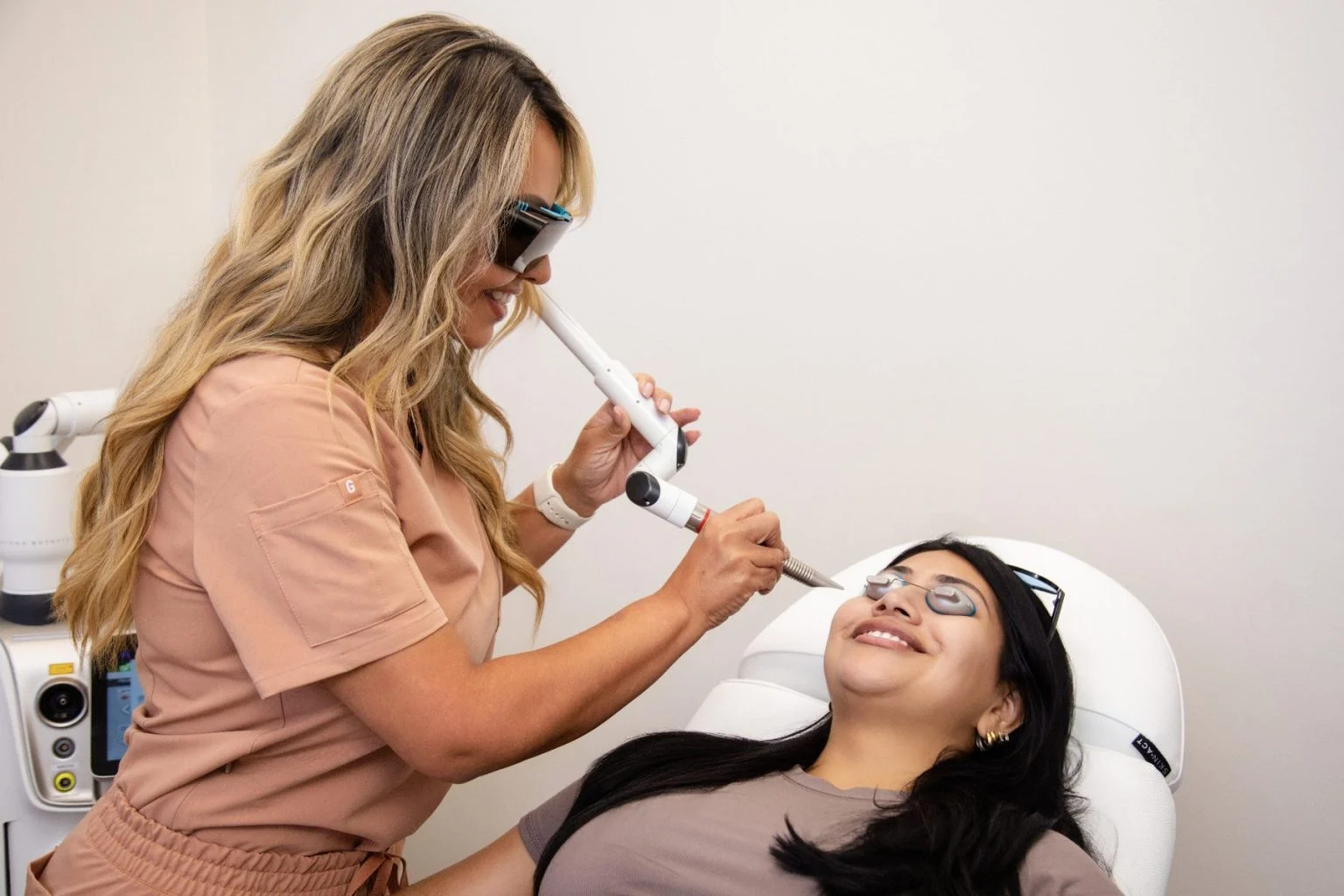
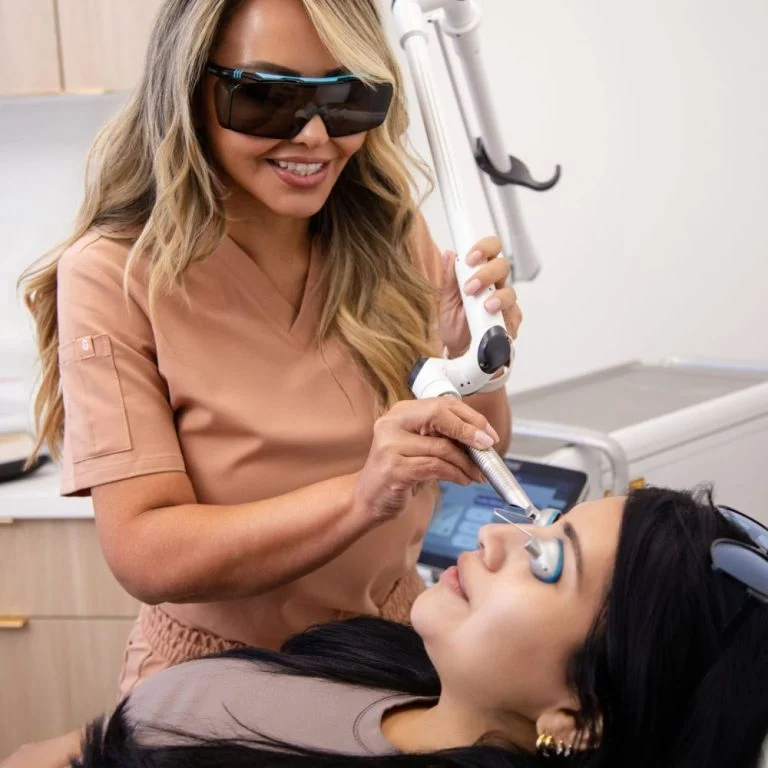
Skin texture rarely changes overnight. It shifts gradually, usually from a mix of age, sun exposure, acne history, inflammation, and the slow breakdown of collagen that keeps the surface looking even. Patients often describe the problem in plain language before they know the clinical terms. Their makeup sits unevenly. Light catches tiny bumps around the cheeks. Old acne marks feel rougher than they look. Pores seem more visible by late afternoon. They do not always want dramatic resurfacing or a long recovery. More often, they want skin that feels smoother, reflects light better, and improves in a way that still looks like their own face.
That is where Fotona Laser Treatments tend to enter the conversation. In practice, they appeal to patients who want meaningful improvement in texture with a customizable approach. Fotona platforms are used in many clinics because they allow providers to adjust depth, intensity, and treatment style depending on the condition being addressed. That flexibility matters. Skin texture is not one single problem. Fine crepiness around the eyes is different from acne scarring on the cheeks, and both differ from enlarged pores, early laxity, or roughness left behind after years of sun exposure.
When treatments are chosen well and spaced appropriately, smoother skin texture usually comes from a series of controlled changes beneath and along the skin surface. The visible result is less about a dramatic reveal and more about cumulative refinement. Patients who understand that tend to be the happiest with their outcomes.
What “smoother texture” actually means in clinical terms
Texture is one of those words everyone uses, but it covers several different concerns. A person may have normal pigment and decent elasticity, yet still feel that the skin looks tired because the surface is irregular. Under close light, that can show up as shallow acne scars, enlarged pores, fine etched lines, rough patches, or a dull, uneven surface that does not reflect light evenly.
Clinically, smoother texture usually means improving one or more of the following: the consistency of the outer skin layer, the depth of superficial irregularities, the appearance of pores, and the quality of collagen support in the upper dermis. The right laser plan depends on which of those factors is doing the most damage.
This is why a consultation matters more than many people expect. Two patients can both ask for “smoother skin,” but one may need a gentler collagen-stimulating series while the other benefits from a more aggressive resurfacing strategy. A practitioner with real laser experience will usually assess texture in motion and in light, not just in still photos. Skin can look very different under overhead office lighting than it does in daylight or on a phone camera.
Why Fotona has become a frequent choice for texture concerns
Fotona systems are well known for combining different laser wavelengths and treatment modes. The details vary by platform and protocol, but the broader value is versatility. Providers can target superficial roughness, deeper remodeling, or a combination of both without using the exact same settings for every patient.
That matters because texture improvement happens through more than one pathway. Sometimes the goal is to gently ablate or polish the upper skin layers. Sometimes it is to create controlled thermal stimulation deeper in the skin so collagen remodels over the following weeks and months. Often, the best result comes from blending those objectives rather than relying on one mechanism alone.
In practical terms, Fotona Laser Treatments can be adapted for patients who want very little downtime, as well as for those who are willing to tolerate more redness and peeling in exchange for stronger resurfacing. Not every patient is an ideal candidate for every intensity level, and not every clinic uses the same protocols, but the technology is often selected precisely because it gives experienced providers room to tailor treatment.
How texture improves over time, not just after one session
One of the biggest misunderstandings in laser aesthetics is the assumption that visible skin improvement should be immediate and linear. Some changes can appear quickly. The skin may look brighter after early healing. Certain rough areas may feel smoother within days or weeks. But the more lasting texture changes usually unfold over time, especially when collagen remodeling is part of the treatment plan.
After a laser session, the skin starts a repair process. Depending on the settings used, this may include exfoliation of damaged surface cells, regeneration of healthier epidermal tissue, and stimulation of fibroblasts that help create new collagen. That collagen does not arrive all at once. It develops progressively. Patients often notice that their skin continues to refine several weeks after the visible redness is gone.
This delayed improvement is one reason treatment plans are often structured as a series rather than a one-time event. A patient with mild early textural aging may see enough progress from a few lighter treatments spaced out over months. Someone with acne scarring may need a longer course and may combine laser work with other modalities. The skin responds best when the plan respects biology rather than forcing speed.
A common pattern in practice looks something like this: after the first session, the patient notices a fresher surface and better product absorption. After the second or third, they begin commenting that makeup applies more evenly or that pores look less obvious in certain lighting. By the later stages, the improvement becomes easier to appreciate not because the skin is suddenly transformed, but because the cumulative changes start stacking in a visible way.
Different texture problems respond differently
It helps to separate expectations based on the kind of texture issue being treated. Fine roughness and dullness usually improve faster than deep acne scars. Enlarged pores may soften in appearance, but they are influenced by oil production, genetics, and skin support, so results vary. Crepey texture from sun damage often responds well when collagen stimulation is paired with careful skin maintenance. Post-acne irregularity tends to require more patience.
A patient in her early forties with diffuse roughness, mild pore visibility, and early fine lines may be thrilled after a gradual series because the whole face looks more polished without obvious evidence of having “had work done.” A younger patient with rolling acne scars can improve substantially too, but the endpoint is different. In that case, progress is often measured by softening shadow depth and reducing contrast between normal skin and scarred areas, not erasing every depression.
This is where honest counseling matters. The best providers do not promise perfect skin. They define realistic targets. Smoother, brighter, more even, more refined, less etched, and better under makeup are all reasonable goals. “Poreless” and “scar free” are not.
The role of collagen remodeling in long-term refinement
Surface smoothing gets attention because it is easier to see early on, but deeper remodeling often determines how durable and elegant the final result looks. Texture is not only about the top layer of the skin. When collagen support weakens, the surface can become less uniform. Tiny lines settle in. Pores stand out more. The skin does not spring back as cleanly.
Fotona Laser Treatments are frequently used to create controlled heat in targeted tissue, which can stimulate the repair response that supports firmer, smoother-looking skin over time. This process is subtle and cumulative. It is also one reason patients often report that their skin looks better at three months than it did at three weeks.
From a practical standpoint, collagen remodeling is one of the reasons maintenance matters. No laser freezes the aging process. Sun exposure, inflammation, hormonal shifts, and time continue to affect the skin. A well-designed treatment series can reset the trajectory, but preserving the result usually requires ongoing care.
What treatment feels like, and why comfort varies
Patients almost always ask the same question sooner or later: does it hurt? The honest answer is that comfort depends on the treatment mode, the area being treated, the energy settings, and the patient’s own sensitivity. Some Fotona treatments feel warm and prickly, with short bursts of heat. Others are more intense and may require topical numbing, cooling, or a discussion about downtime and pain tolerance.
People often assume that stronger discomfort means better results. That is not necessarily true. In laser medicine, precision usually matters more than bravado. Over-treating can increase risk without guaranteeing a superior outcome. Under-treating can be safe but disappointing. Good treatment planning lives in that middle ground where the settings are strong enough to create change but appropriate for the patient’s skin type, history, and goals.
Recovery also varies. Light treatments may leave temporary redness and a dry, sandpapery feel for a few days. More intensive resurfacing can involve swelling, heat, peeling, and a longer social downtime. Most patients manage lighter sessions easily if they know what to expect. What causes frustration is not the healing itself but mismatch between expectations and reality.
Who tends to do well with these treatments
The best candidates are not just defined by age or a skin concern. They are defined by fit. People tend to do well when they have a specific textural complaint, realistic expectations, and a willingness to follow aftercare. Good outcomes also depend on skin type assessment, medical history, sun habits, and whether active acne, melasma, or irritation is already present.
Here are the situations where treatment planning deserves extra care:
- Patients with darker skin tones may still be candidates, but settings and protocol selection must account for the higher risk of pigment changes.
- People with melasma need careful evaluation because heat can sometimes worsen pigment even when texture improves.
- Active acne should be stabilized when possible so new breakouts do not undermine progress.
- Anyone using strong topicals, especially retinoids or exfoliating acids, may need a pause before treatment.
- Patients expecting one session to erase deep scars usually need a more grounded discussion before proceeding.
These are not reasons to avoid treatment altogether. They are reasons to choose a provider who thinks beyond the machine and understands skin behavior after the appointment is over.
The importance of interval timing
Texture improvement is one of those areas where spacing treatments correctly can make a real difference. If sessions are packed too closely, the skin may stay chronically inflamed or not have enough time to reveal the benefits of remodeling. If they are spaced too far apart, momentum can be lost. Most experienced providers build intervals based on treatment intensity and healing response rather than using the same calendar for every patient.
In real practice, this may mean waiting several weeks between lighter sessions and longer between more aggressive ones. The interval is not dead time. It is part of the treatment. During that period, the skin reorganizes, collagen builds, and the provider can judge what actually changed rather than treating reactively.
Patients sometimes become impatient after the first session and ask to increase intensity quickly. That instinct is understandable, especially if they have dealt with texture concerns for years. But laser outcomes are often better when changes are layered thoughtfully. Rushing can lead to avoidable complications, especially in reactive skin.
Aftercare shapes results more than many patients realize
Even excellent laser work can be undermined by poor aftercare. The skin barrier is vulnerable after treatment, and the habits that follow influence healing quality. Sun exposure is the obvious risk, but it is not the only one. Picking at flaking skin, resuming irritating actives too quickly, or using too many products in the hope of speeding recovery can all backfire.
A simple aftercare routine is usually best:
- Use a bland, non-irritating cleanser and moisturizer until the skin feels settled.
- Wear broad-spectrum sunscreen consistently, and be unusually strict about reapplication.
- Avoid scrubs, acids, and retinoids until your treating clinician says it is safe.
- Let peeling or roughness resolve naturally rather than rubbing or picking.
- Report unusual swelling, blistering, or persistent pigment change promptly.
This is one of those times when discipline pays off. The patients who heal best are rarely the ones doing the most. They are the ones doing the right amount, consistently.
How Fotona compares with more aggressive resurfacing approaches
Some patients arrive assuming that stronger always equals better. They have read about ablative lasers, dramatic before-and-after photos, or deep resurfacing with significant downtime. Those treatments can be appropriate in the right patient, especially for advanced photoaging or scar remodeling. But they are not the only route to smoother texture.
Fotona Laser Treatments often appeal to the patient who wants a middle path, meaningful improvement with adjustable downtime and a lower barrier to treatment. That does not mean the treatments are weak. It means they can be scaled. In a clinic with good judgment, that flexibility allows the provider to match the intervention to the problem rather than fitting every face into the same resurfacing script.
The trade-off is that gentler or staged approaches may require more sessions and more patience. Some patients are happy with that because they prefer incremental change and less disruption to work or family life. Others would rather accept a tougher recovery for a stronger single intervention. Neither preference is inherently better. The right choice depends on goals, schedule, skin biology, and tolerance for downtime.
What results tend to look like in real life
The most convincing texture improvements are not always the most dramatic in photos. They show up in ordinary moments. A patient notices less need for pore-blurring primer. Their skin catches morning light more evenly. The rough patch beside the https://pastelink.net/pe792pg5 mouth that never sat well under foundation becomes harder to find. Acne scars still exist, but they no longer dominate every close-up.
That kind of result may sound modest on paper, yet it often changes how people feel in their skin. Texture is tactile and visual. It affects confidence in ways that are surprisingly persistent. Patients do not always want to look younger. Many simply want their skin to look healthier, calmer, and less distracted by surface irregularity.
A provider who has worked with lasers for years can often predict which result category a patient is likely to fall into. Mild roughness and early textural aging usually respond well. Moderate acne scarring can improve meaningfully but may need combination care. Severe deep scarring or significant laxity often benefits from a broader treatment plan that may include other devices or procedures. Laser is a powerful tool, but it is still one tool.
Why provider experience matters more than brand recognition
Patients often shop by device name because that is the most visible part of the treatment. In reality, outcomes depend at least as much on assessment, settings, technique, and aftercare planning as on the machine itself. Two clinics may both advertise Fotona Laser Treatments and produce very different results.
Experienced providers pay attention to the details that do not make it into marketing language. They evaluate whether texture concerns are tied to active inflammation, whether pigment issues will complicate healing, whether the patient is likely to adhere to sun protection, and whether their stated goal matches what laser can realistically achieve. They also know when not to treat, when to start conservatively, and when to shift strategies if a patient is plateauing.
This judgment usually reveals itself in the consultation. Good clinicians ask better questions. They do not only ask what bothers you. They ask when you noticed it, what you have tried, whether your skin scars easily, how much sun you get, what products you use, and what level of downtime you can actually manage. Those details are not routine paperwork. They shape the plan.
The long view: smoother skin as a maintenance project
Perhaps the most useful way to think about texture is not as a defect to erase but as a quality to manage and improve over time. Skin is a living organ. It reflects both history and habits. Lasers can reset the surface and stimulate repair, but the long-term result depends on what comes afterward, sunscreen, sensible skincare, periodic maintenance, and avoiding the cycle of over-treating and then neglecting the skin for a year.
Patients who get the best value from laser treatment usually adopt the long view. They understand that one good series can create a visible shift, and occasional maintenance can help preserve it. They also know that smoother skin does not require perfection. It requires consistency.
For the right patient, Fotona Laser Treatments can be a smart, flexible option for refining texture without forcing a one-size-fits-all approach. The changes may arrive in layers rather than all at once, but that is often exactly why the results look believable. Better texture tends to age well when it is built gradually, treated thoughtfully, and maintained with care.
OMNIA Wellness Center
Address: 16430 Ventura Blvd Ste 207, Encino, CA 91436
Phone number: +18183868511
FAQ About Fotona Laser Treatments
What is a Fotona laser good for?
A Fotona Laser system is a versatile, dual-wavelength medical laser used primarily for non-surgical skin tightening, anti-aging rejuvenation, and dermatological treatments.
How much does the Fotona laser cost?
The cost of a Fotona laser depends heavily on whether you are looking to purchase a laser machine for a medical practice or are a patient seeking a laser treatment at a medspa.
Is a Fotona laser worth it?
A Fotona laser treatment is generally worth it if you want non-surgical skin tightening, improved texture, and collagen stimulation with very little downtime.